

‘Significant failings’ in police computer system during Omagh bombing investigation, inquiry told
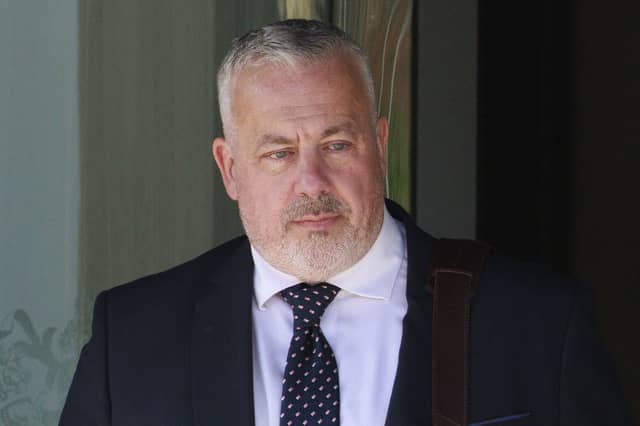

A SENIOR detective has admitted that there were “significant failings” in the use of a police computer database during the investigation into the 1998 Omagh bombing, including insufficient numbers of trained staff and a key liaison post being left vacant.
A SENIOR detective has admitted that there were “significant failings” in the use of a police computer database during the investigation into the 1998 Omagh bombing, including insufficient numbers of trained staff and a key liaison post being left vacant.
Detective Chief Inspector Neil McGuinness, a Police Service of Northern Ireland (PSNI) officer, told the Omagh Bombing Inquiry that the Royal Ulster Constabulary (RUC) did not have enough personnel trained to use the Holmes One computer system to manage the investigation.
He confirmed that the PSNI accepted there had been “significant failings” in the operation of the system during the investigation into the atrocity, which claimed 29 lives, including a woman who was pregnant with twins.
The dissident republican car bombing took place in Omagh on August 15, 1998, and remains the worst single atrocity of the Troubles in Northern Ireland.
The latest phase of the public inquiry, which will continue for several weeks, is examining the period before and after the bombing, including how the attack was carried out and who was responsible.
The inquiry was established by the previous UK government to investigate whether the explosion could have been prevented by the authorities.
Giving evidence on Tuesday last, DCI McGuinness was questioned by inquiry barrister John Rafferty about the use of the Holmes One database during the Omagh investigation.
Holmes, which stands for Home Office Large Major Enquiry System, was introduced in Northern Ireland by the RUC during the 1980s to help manage large and complex investigations.
Mr Rafferty asked whether the number of staff trained to use the system at the time had been “not adequate to deal with the number of investigations which used Holmes One”.DCI McGuinness replied: “Yes, that’s our position that the number of trained staff and the training was insufficient.”
He explained that there had been just one Holmes liaison officer within the RUC responsible for overseeing training and the resourcing of the database.“Essentially, what that meant was that that person would have been the contact the whole year round, which is not acceptable,” he said.
The inquiry also heard that the liaison officer post had been left vacant after the officer carrying out the role moved on .Mr Rafferty asked whether there had been a period after November 1997 when the position was not filled.“
Yes, that’s correct. The officer performing that role had moved on, and it was allowed to just remain vacant,” DCI McGuinness confirmed.
He said he was unsure how long the post had remained unfilled .Asked directly whether the PSNI accepted that there had been “significant failings in respect of the operation of Holmes One during the Omagh Bombing investigation”, the detective replied: “Yes, we do.”
He also agreed that it was reasonable to infer that the same shortcomings had featured in other investigations before the Omagh bombing.
When Mr Rafferty asked whether a particular problem was the lack of sufficient Holmes-trained staff, DCI McGuinness responded: “Yes, that’s right.”
The detective described the scale of the Omagh investigation as unprecedented, saying the volume of information involved had created an enormous demand on the computer system. He told the inquiry: “Everything about this incident and this investigation and inquiry was almost unprecedented with its scale and size.”
However, while acknowledging shortcomings in training and experience in using Holmes One, DCI McGuinness stressed that some of the RUC’s most experienced detectives had been involved in the investigation. He explained that much of their experience had been gained during decades of dealing with the Provisional IRA and what he described as the “main body of the Troubles”.
He said the Omagh bombing investigation presented different challenges because it involved dissident republican organisations, which represented new and different threats for investigators.“This period saw the introduction of new players, essentially the dissident republican organisations,” he told the inquiry.