

More than one in five in West Tyrone and Mid Ulster are living in poverty
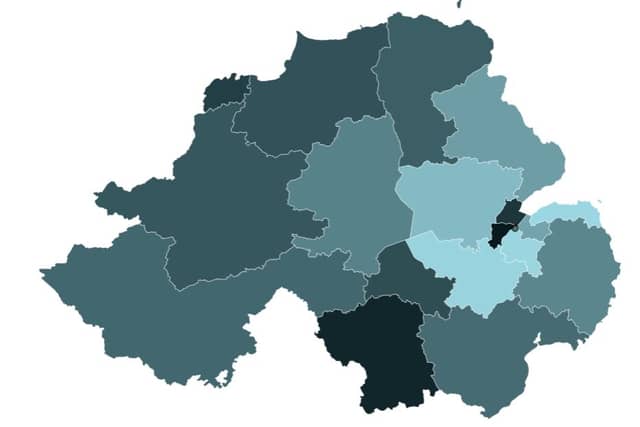

One in five children in Mid Ulster and 22 per cent of children in West Tyrone are growing up in poverty, according to new figures
TWENTY-two per cent of children in West Tyrone and one in five children in Mid Ulster are growing up in poverty, according to new figures highlighting the need for greater investment in children’s futures across Northern Ireland.
The latest analysis from the Joseph Rowntree Foundation (JRF) reveals that child poverty rates in both constituencies are above the Northern Ireland average of 19 per cent, with the figures prompting renewed calls for the Stormont Executive to make tackling child poverty a priority.
The foundation’s Poverty in Northern Ireland report estimates that almost 90,000 children across the region are living in families struggling to make ends meet, with little change in the proportion of children experiencing poverty over the past two decades.
The figures underline the challenges facing families in West Tyrone and Mid Ulster, where children are growing up against a backdrop of financial pressure and the rising cost of everyday essentials.
The report also highlights the widespread nature of the problem, finding that almost seven in 10 children living in poverty in Northern Ireland - 68 per cent - belong to households where someone is working.
Almost a third of children experiencing poverty, meanwhile, are living in deep poverty, leaving them further below the poverty line and at greater risk of going without basic necessities.
A further 13 per cent of children in Northern Ireland are living in persistent poverty, meaning they have spent at least three of the previous four years in poverty.
The JRF warns that prolonged financial hardship can have lasting consequences for children’s health, wellbeing, education and future opportunities.
While West Tyrone and Mid Ulster both record child poverty rates above the regional average, the report identifies other constituencies facing similarly significant challenges.
Newry and Armagh and Belfast West both record child poverty rates of 25 per cent, while Belfast North stands at 24 per cent. Upper Bann and Foyle each record rates of 23 per cent.
In total, eight local areas have child poverty rates above the Northern Ireland average.
By contrast, Belfast South and Mid Down, North Down and Lagan Valley each record a child poverty rate of 15 per cent.
The constituency-level figures relate to children aged under 16, while the overall Northern Ireland poverty statistics cover all children. The foundation says the differences between the two groups are small.
New polling conducted by More in Common for the JRF also suggests there is considerable public concern about the issue, with seven in 10 people - 70 per cent - describing child poverty as a serious problem in Northern Ireland.
Almost two-thirds of respondents, 65 per cent, believe the Executive has done too little to reduce child poverty.
The foundation is calling on Stormont to place tackling child poverty at the heart of its final Anti-Poverty Strategy and ensure the issue is fully embedded in the next Programme for Government.
It argues that lifting children out of poverty can deliver lasting benefits, improving health, educational attainment and future earnings while reducing pressure on public services.
JRF is due to publish further analysis in the coming months examining the costs and potential impact of different measures to tackle child poverty.
Ursula O’Hare, head of Northern Ireland at the Joseph Rowntree Foundation, said too much of the hardship experienced across the region was falling on children, with poverty rates remaining unacceptably high over the past 20 years.
“For children growing up in poverty, the impacts can be life-long, affecting their health, wellbeing, education and life chances,” she said.
“Politicians in the Executive face a choice about the years ahead. Collective political ambition is needed to drive down child poverty.
We must do everything we can to ensure children born in Northern Ireland today reach adulthood having had the best start in life possible.
“The public understands the severity of the issue and that not enough is being done to address it. It’s now up to the Executive to make it a key priority.”