

Omagh event to shine spotlight on coercive control and domestic abuse in bid to save lives
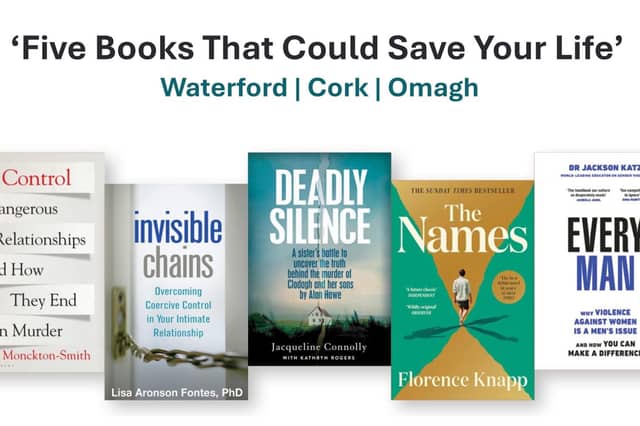

An important all-island initiative aimed at tackling coercive control, recognising the warning signs of abusive relationships and preventing domestic homicide is coming to Omagh later this month
AN important all-island initiative aimed at tackling coercive control, recognising the warning signs of abusive relationships and preventing domestic homicide is coming to Omagh later this month
The ‘5 Books That Could Save Your Life’ tour will arrive at the Strule Arts Centre in Omagh on Wednesday, November 25, at 10.30am, bringing together leading experts, campaigners and those working on the frontline of domestic abuse services to highlight an issue which continues to devastate lives across Ireland.
With the event coinciding with the International Day for the Elimination of Violence against Women and the beginning of the 16 Days of Activism against Gender-Based Violence, the initiative aims to put survivors’ experiences centre stage and encourage a fundamental change in how society understands and responds to coercive control.
Kerrie Flood, chief executive of Fermanagh and Omagh Women’s Aid, said coercive control was frequently misunderstood because people tended to look for individual incidents rather than recognising the wider pattern of behaviour.
“In our work across Fermanagh and Omagh, particularly in rural and border communities, we see how isolation, geography and the control of everyday life can make abuse both harder to recognise and harder to escape,” she explained.
“Understanding those patterns matters because coercive control can be an indicator of serious and escalating risk.
“Projects like this take that knowledge beyond specialist services and into our communities, where it has the potential to save lives.”
Retired District Judge Barney McElholm also stressed the importance of public education, particularly in breaking the intergenerational cycle of domestic abuse.
He described domestic abuse as “an evil, ugly plant that spreads its roots throughout the whole of society”, warning that its effects could be passed from one generation to the next.
“Domestic abuse is like an evil, ugly plant that spreads its roots throughout the whole of society; it can go down from generation to generation, which is why public education is so vital,” he said.
Mr McElholm welcomed the inclusion of fiction among the five selected books, highlighting how the novel The Names explores the way patterns of abuse can be passed between generations.
“Recognising and breaking those patterns is so important,” he added.
Fermanagh and Omagh District Council chairperson, Councillor Debbie Coyle, said the council was proud to support the project and praised the partner organisations for their work to educate and empower people affected by abuse.
“Raising awareness of coercive control and domestic abuse is an important part of our work with partners to help end violence against women and girls,” she said.
“I commend Haven Horizons, Fermanagh and Omagh Women’s Aid and Belfast and Lisburn Women’s Aid for their ongoing efforts to educate, support and empower those affected by abuse and putting a much-needed spotlight on prevention.”
The project is being delivered by Haven Horizons, a national organisation focused on preventing domestic abuse and coercive control, based in Ennis, County Clare, in partnership with Belfast and Lisburn Women’s Aid, Fermanagh and Omagh Women’s Aid and Fermanagh and Omagh District Council.
Its founder and chief executive, Madeline McAleer, was inspired to develop the initiative after recommending a book about coercive control to a woman who, on returning it, told her: “I think that book saved my life.”
That powerful response prompted her to select five books which could help people understand coercive control, recognise the warning signs of unhealthy relationships and identify potentially dangerous behaviour.
The five selections are:
• In Control: Dangerous Relationships and How They End in Murder by Professor Jane Monckton Smith, examining the links between coercive control and domestic homicide.
• Invisible Chains: Overcoming Coercive Control in Your Intimate Relationship by psychologist and international expert Dr Lisa Aronson Fontes.
• Deadly Silence: A Sister’s Battle to Uncover the Truth Behind the Murder of Clodagh and Her Sons by Alan Hawe by Jacqueline Connolly, recounting her search for answers following the murder of her sister and nephews and highlighting warning signs of coercive control.
• The Names, an acclaimed debut novel by Florence Knapp, exploring the intergenerational impact of abuse.
• Every Man by Dr Jackson Katz, which challenges men and boys to confront misogyny and play an active role in preventing gender-based violence.
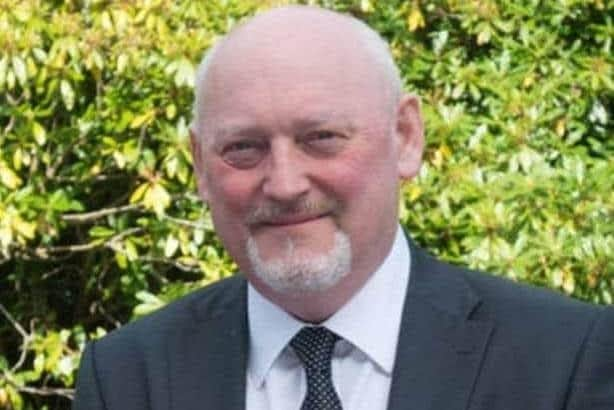
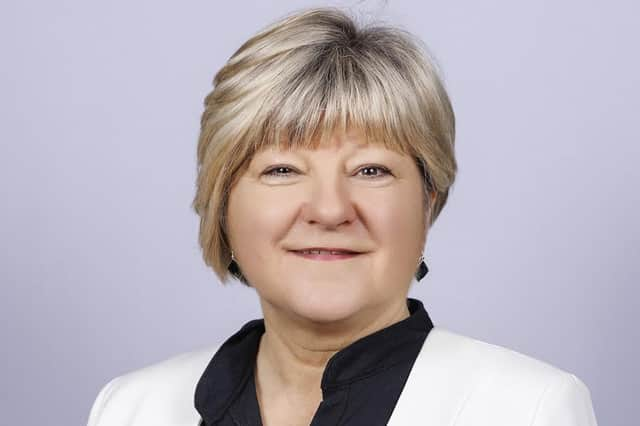
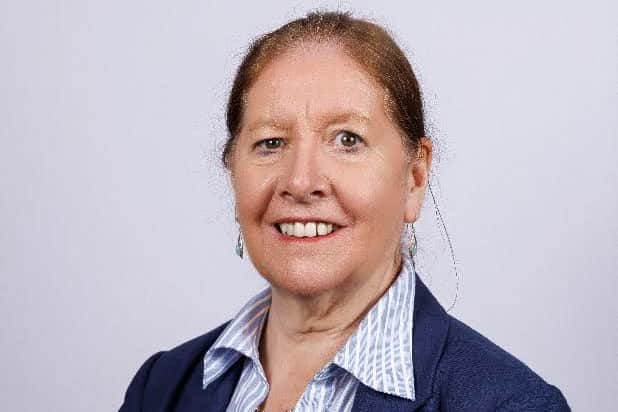
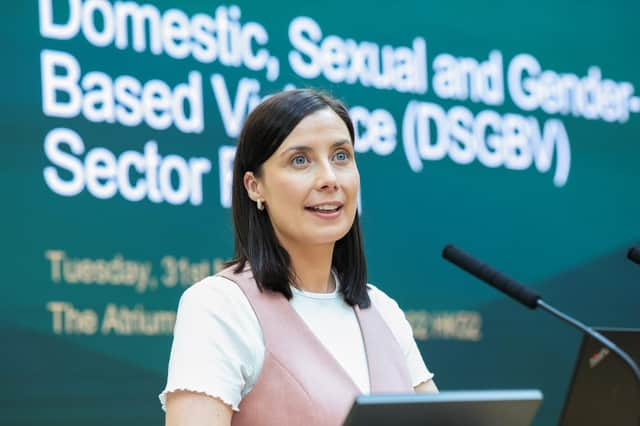


The Omagh event will feature a panel discussion moderated by Irish Examiner columnist Sarah Harte, exploring the books, the warning signs of coercive control, its links to domestic homicide and the role men can play in preventing abuse.
The panel will include Ms Flood, Corrinne Hasson, executive director of the National Women’s Council of Ireland, Noelle Collins, training and programmes manager with Belfast and Lisburn Women’s Aid, and Mr McElholm. Ms McAleer will deliver the keynote address.
The discussion will also examine why rates of coercive control and domestic homicide remain so high across the island, as well as the importance of breaking cycles of abuse through education and prevention.
The latest figures underline the scale of the challenge. PSNI statistics recorded 31,961 domestic abuse incidents in Northern Ireland in the 12 months to June 2026, an increase of 7.5 per cent on the previous year. Eleven domestic-abuse homicides were recorded in the 12 months to March 2026, five more than in the preceding 12 months.
In the Republic of Ireland, more than 67,500 domestic-abuse-related contacts were made to An Garda Síochána during 2025, while the number of women killed violently by July 2026 had already exceeded the seven recorded during the whole of 2025.
The National Women's Council has also highlighted the urgent need for better prevention, education and resources for support services.
The initiative has already been delivered in Ennis, Dublin, Belfast on two occasions, Waterford and Cork, with Omagh forming part of its continuing all-island tour.
Ms McAleer said collaboration across the island was essential to changing attitudes and ensuring that preventing domestic abuse became everyone's responsibility.
The project is supported by the Shared Island Civic Society Fund through the Department of Foreign Affairs.
Admission to the Omagh event is free, but advance booking is required. Tickets can be reserved through Eventbrite.