

‘Lives could have been saved in Omagh’
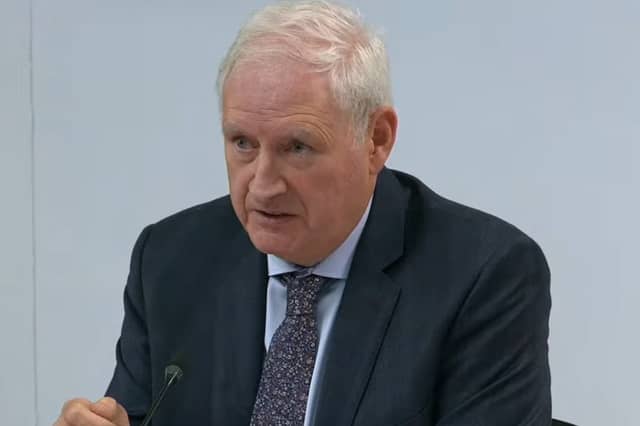

The former head of the Omagh bomb police investigation has dramatically told this week's Public Inquiry that he believes intelligence failures, missed opportunities and withheld information impacted efforts to prevent the 1998 attack and bring those responsible to justice.
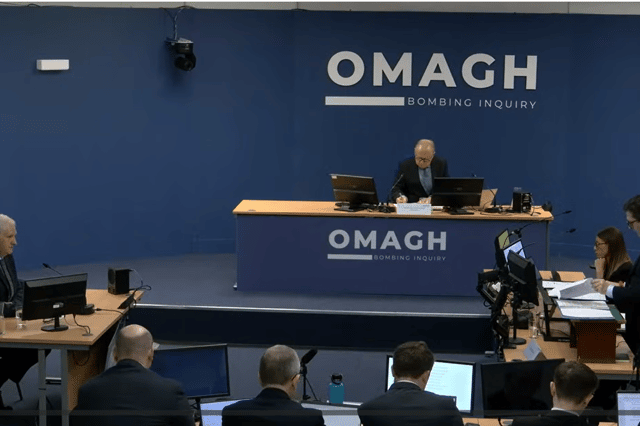
Dromore Journalist Peter Kelly attended the most dramatic chapter of the Omagh Bomb Public Inquiry in Belfast. He reports from the scene as the Inquiry concludes for 2026.
THE former head of the Omagh bomb police investigation has dramatically told this week's Public Inquiry that he believes intelligence failures, missed opportunities and withheld information impacted efforts to prevent the 1998 attack and bring those responsible to justice.
Retired PSNI Chief Superintendent Norman Baxter was the Senior Investigating Officer (SIO) into the Omagh bombing between 2002 and 2008. He gave evidence over three days to the Inquiry sitting at Forestside in Belfast, finishing on Monday.
The long fought-for Inquiry is examining whether the Real IRA bombing in Omagh on 15 August 1998 which killed 29 people including a woman pregnant with twins could have been prevented.
Among the most striking parts of Mr Baxter's evidence was his claim that one of the perpetrators who brought the bomb to Omagh may have been a covert agent, and that investigators were denied access to important intelligence.
“I believe, just for total clarity, that one of the people who brought the bomb to Omagh on the day was an agent,” former Ch Supt Baxter dramatically told the Inquiry.
He said information available to investigators was sometimes restricted and suggested that material relevant to the probe had been withheld.
Referring to public assurances given after the bombing that “no stone would be left unturned”, Mr Baxter said: “The problem was that people had hid some of the stones.”
He also told the Inquiry that in his view there had been missed opportunities before August 1998 to disrupt dissident republican terrorist activity.
“We now know there was intelligence about who was involved” he said, and added that that there was a “high level of probability” the bombing could have been prevented had certain suspects been targeted earlier.
This week's Inquiry heard evidence about a warning received the day before the attack that a bomb was expected to travel into Northern Ireland. Mr Baxter said police discussed a proactive operation in the Newry area after receiving information from the Gardaí in Republic of Ireland.
Ch Supt Baxter added that he believed intelligence agencies possessed information on some of the suspects before the bombing, although those claims remain subject to examination by the Inquiry.
He also alleged that known republicans were in the vicinity of the bomb vehicle on the night before the attack and had an opportunity to alert the authorities.
“That is the only definitive point that I know that the bomb could have been stopped in Northern Ireland,” he said.
“If one of those people had called the security forces ... they could have stopped it. They could have saved the lives in Omagh”
Mr Baxter strikingly claimed.During his evidence, the senior Omagh PSNI detective also made claims regarding contacts between senior Sinn Féin figures and Real IRA leader Michael McKevitt during the period before the bombing.
He told the Inquiry that his reading of intelligence material led him to believe that dissident republican bomb attacks were viewed by some within Sinn Féin as politically advantageous during negotiations with the UK Government.
“My reading of the material is that the Sinn Féin leadership were content that there were bombs happening so that they could say to the British government, ‘you can’t push us too far’,” he said.
Sinn Féin rejected the allegations. Speaking at Stormont, First Minister Michelle O’Neill told reporters that she “absolutely” disagreed with Ch Supt Baxter’s assessment.
“Sinn Féin were unequivocal in our condemnation of the Omagh bombing. It was horrific,” she said.
The Tyrone MLA added that her party remained committed to the Good Friday Agreement and opposed dissident republican violence.
The Inquiry also heard renewed calls from Tyrone victims’ families for a public inquiry in the Republic of Ireland.
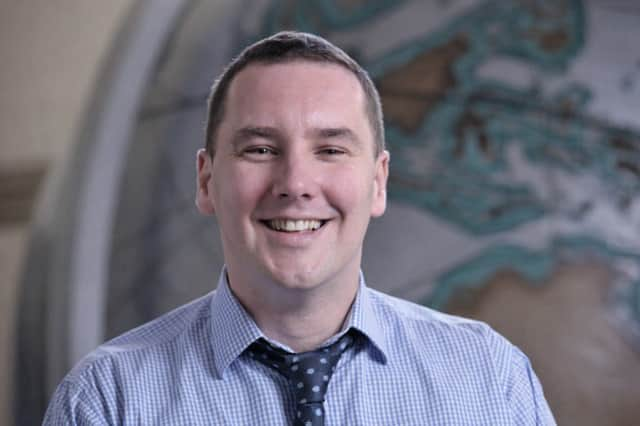
John Fox, whose Omagh town centre legal firm represents families of 16 of those killed and 10 survivors, said the recent evidence heard in Belfast confirmed the need for further examination of events south of the border.
“The promise was to leave no stone unturned,” he said. “Now is the time to lift every stone, expose what lies beneath and uncover the whole, unvarnished truth.”
The Omagh Bombing Inquiry chaired by Lord Alan Turnbull has now adjourned for 2026 and will continue to hear evidence in the new year.