Remembrance - an important opportunity to honour the fallen
By The Newsroom
Published 14th Nov 2026, 15:48 GMT
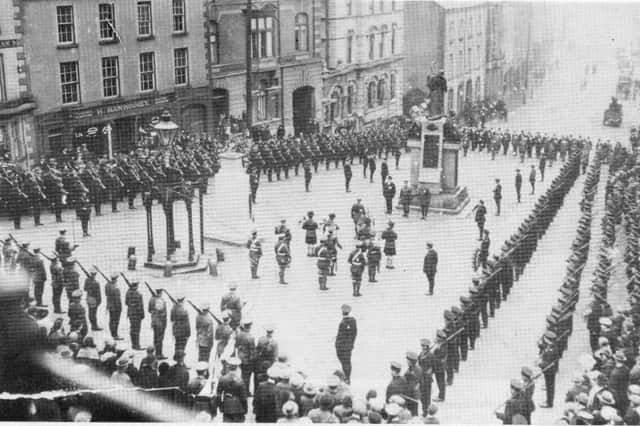
A ceremony to remember the dead of the Great War in High Street, 1923. The Boer War Memorial was built in 1905. Note the temporary memorial below the Mullan drinking fountain. SU4946CD26 | TC
Remembrance provides an important opportunity to honour the fallen and reflect on the sacrifices made by previous generations to protect the freedoms and peace enjoyed today.
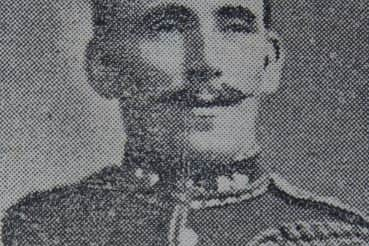
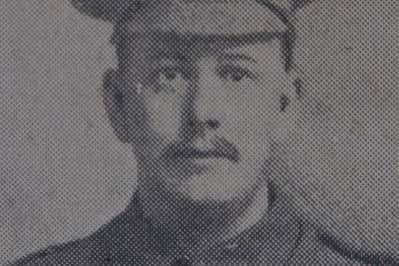
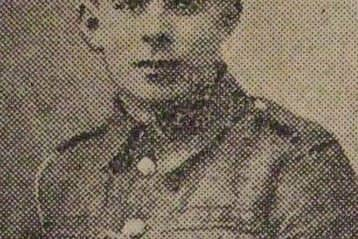
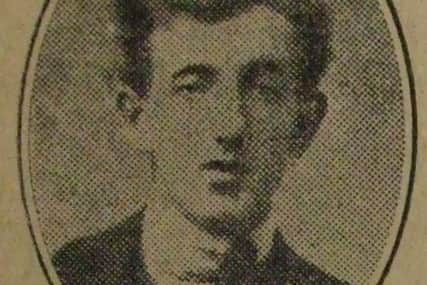
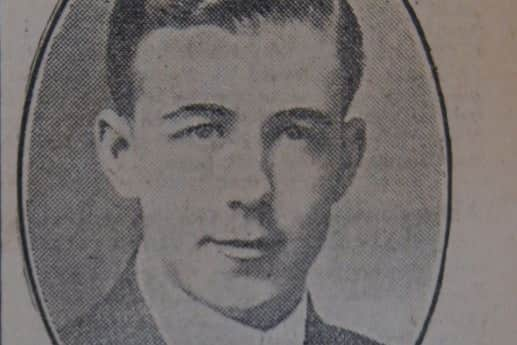
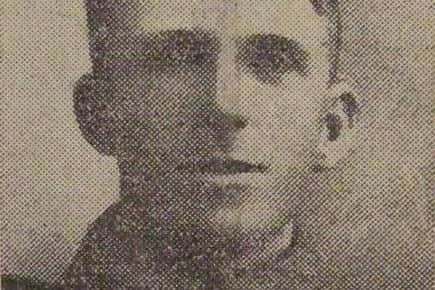
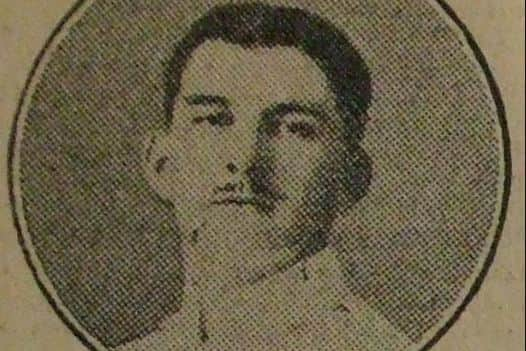
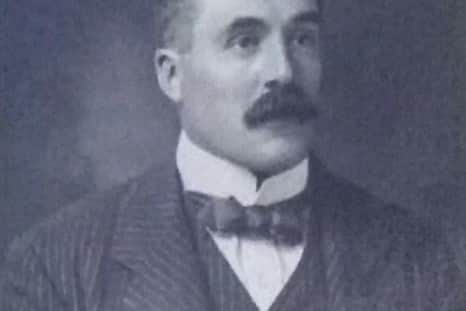
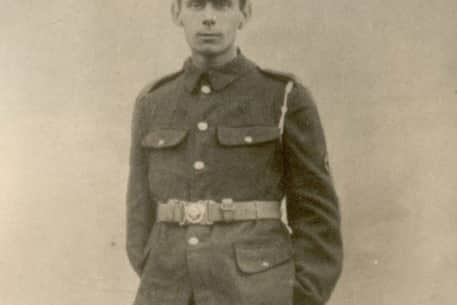
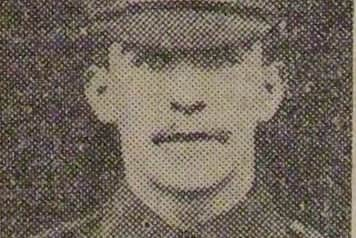
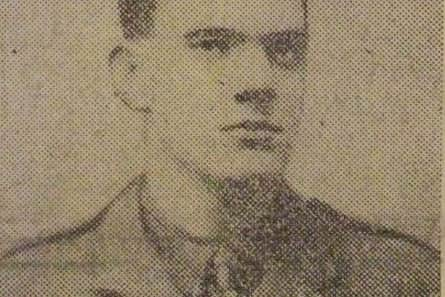
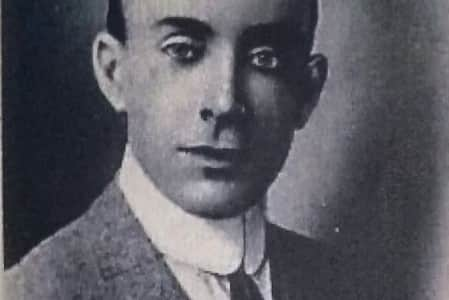
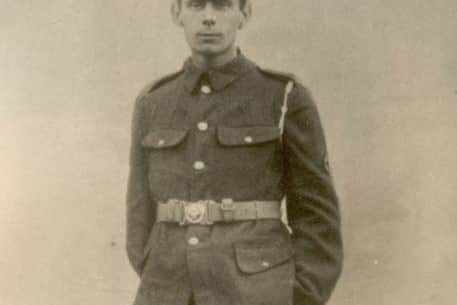
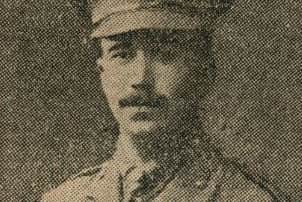
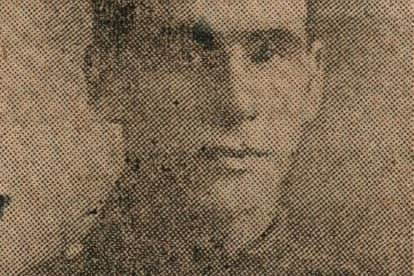
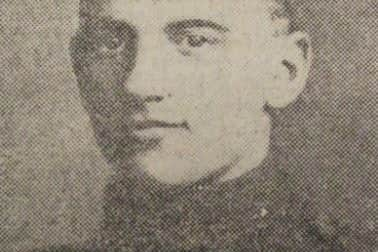
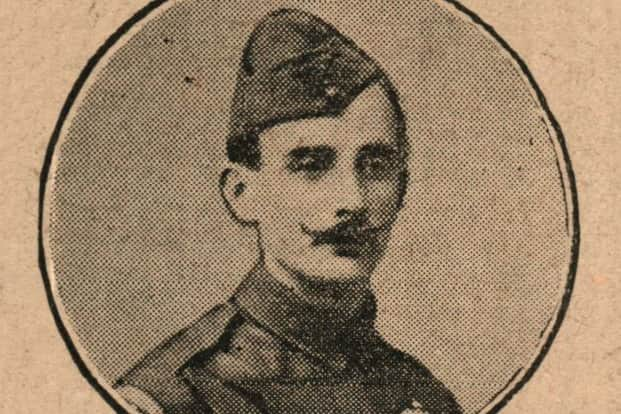
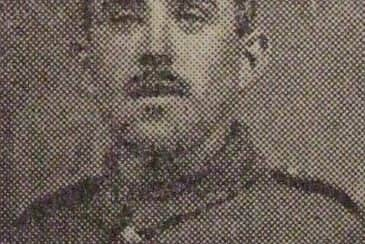
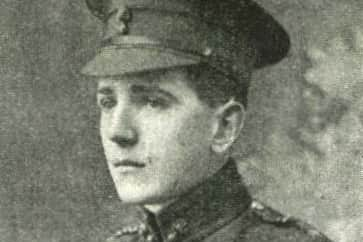
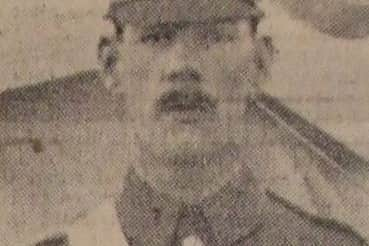
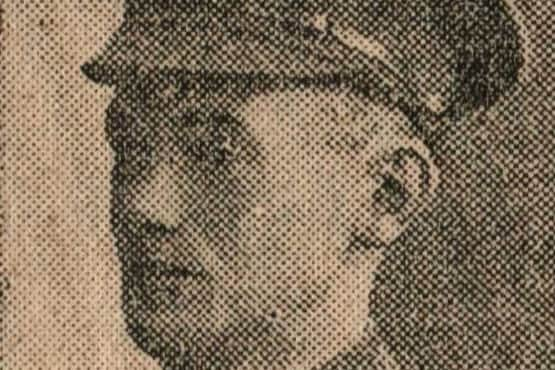
Howard, Gilbert Alexander, Drummer, Royal Inniskilling Fusiliers, Eskermore Augher Tyrone, Died, LT Feb 1916 SU3946CD26 | TC
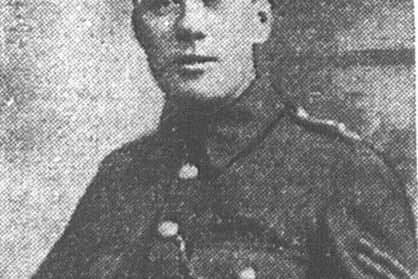
Perry, Alfred William, Sergeant, Royal Inniskilling Fusiliers, Main Street Fintona Tyrone, Died, LT Aug 1916. SU3546CD26 | TC
Mullan, George, Private, Royal Inniskilling Fusiliers, Castle Street Omagh Tyrone, Died, July 1916. SU3646CD26 | TC
O'Neill, Henry, Private, Royal Dublin Fusiliers, Castle Street Omagh, Died, July 1915 SU3046CD26 | TC
Welsh, Jim, Sergeant, Canadian Expeditionary Force, Annagarvey Mills Augher Tyrone and Weyburn Sakatchewan, Died, Jan 1916. SU3146CD26 | TC
Duncan, Andrew, Bombardier, Royal Garrison Artillery, Drumquin Tyrone, Died, LT Dec 1917. SU2646CD26 | TC
Hart, Harry William, Rifleman, Royal Irish Rifles, Omagh Tyrone, Missing. SU2746CD26 | TC
Mullin, Charles, Sergeant Major, Royal Flying Corps, Garvaghullion Omagh Tyrone, Promotion, LT June 1917. SU3446CD26 | TC
Quigley, John, Private, Royal Irish Regiment, Omagh Tyrone, Wounded, July 1916. SU3246CD26 | TC
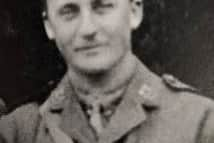
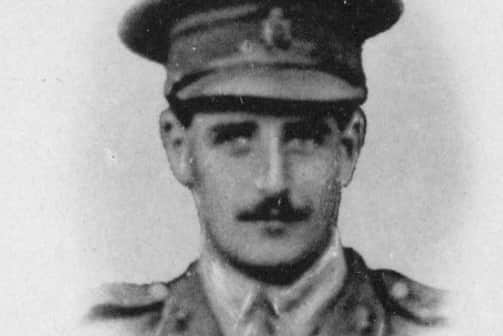
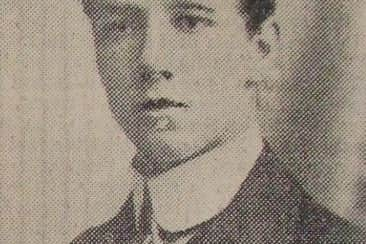
Miller, Inglis Francis Rawley, Lieutenant, Royal Inniskilling Fusiliers, Millbank Omagh Tyrone, Died, Spring August 1915. SU3346CD26 | TC
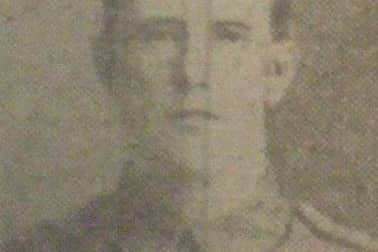
McKee, Luke, Private, Royal Inniskilling Fusiliers, 29 Brook Street Omagh, Died, Jan 1915. SU3846CD26 | TC
Remembrance provides an important opportunity to honour the fallen and reflect on the sacrifices made by previous generations to protect the freedoms and peace enjoyed today.
Corporal George Kerr, Cavanacaw, Clanabogan, Omagh, 1st Batt., Royal Inniskilling Fusiliers. Died May 19, 1917. SU5946CD26 | TC
Robert Watson, Mullaghmena, Omagh. Canadian EF. Killed in action, March 23, 1915. SU5846CD26 | TC
Sergeant William A. Goodwin, Omagh. 9th Batt Inniskillings. Killed in action July 1, 1916. SU5646CD26 | TC
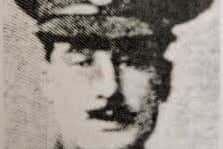
Captain George Walker Vesey, Kilskeery. Died of wounds March 26, 1918. SU5446CD26 | TC
Capt J Wilfred B Nattersby RFA, Omagh. Missing whilst reconnoitring October 24, 1916. SU4646CD26 | TC
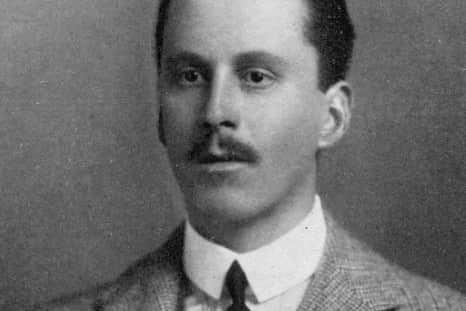
Capt Lord Arthur John Hamilton, Baronscourt. SU4746CD26 | TC
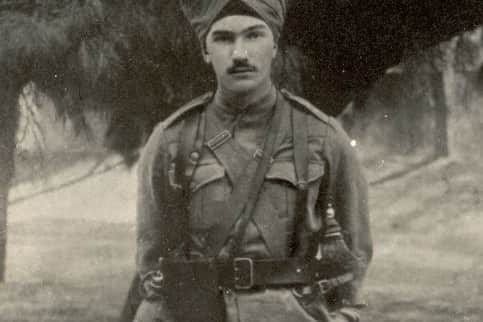
Mitchell, George, 2nd Lieutenant, Indian Army, The Rectory Trillick Tyrone , Died, Campbell College. SU4046CD26 | TC
McCutcheon, George Orr, Sergeant, Royal Inniskilling Fusiliers, Omagh Tyrone and Roden Street Belfast, Died, BET Oct 1916. SU4146CD26 | TC
McGrew, William James, Private, Scots Guards, Omagh Tyrone, Died, February 1915. SU4246CD26 | TC
Kerr, Stephenson, Private, Canadian Infantry, Belfast and Skeough Trillick Tyrone, Died, LT April 1917. SU4846CD26 | TC
A ceremony to remember the dead of the Great War in High Street, 1923. The Boer War Memorial was built in 1905. Note the temporary memorial below the Mullan drinking fountain. SU4946CD26 | TC
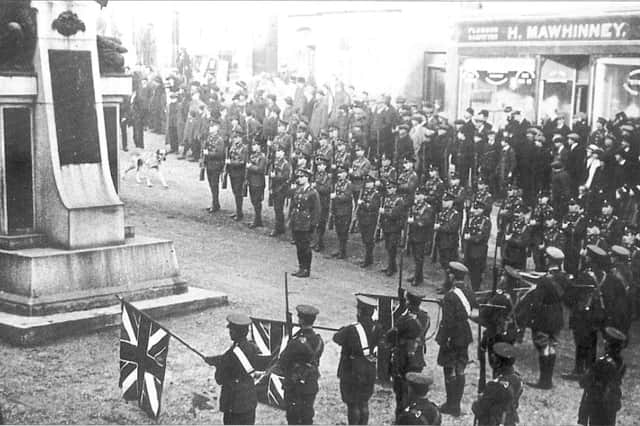
Military ceremony at the Inniskilling Monument on the anniversary of Armistice Day on November 11, 1919. SU5046CD26 | TC
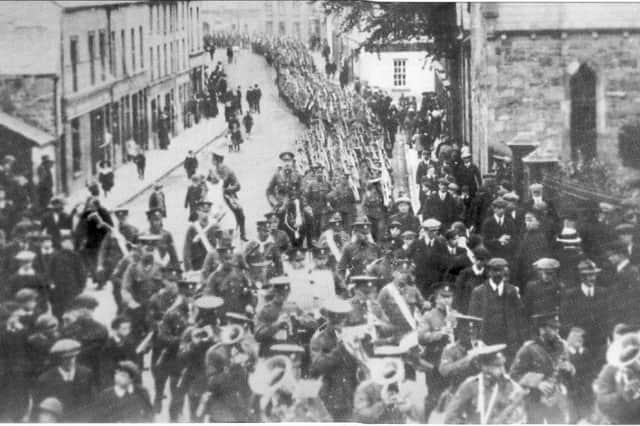
The 2nd Battalion Royal Inniskilling Fusiliers, including many men from Omagh and district go off to war. They were to fight at Le Cateau, The Retreat from Mons, the Battle of the Marne, The Aisne, First Ypres and Neuve Chapelle. Very few of the original drafts survived to participate in the Battle of the Somme (July-November, 1916). The officer on the horse in the centre of the picture looking at the camera is Lieutenant (later Major) C. A. M. (Charlie) Alexander of Termon House, Carrickmore who was transport officer for the battalion. SU5146CD26 | TC
John Colhoun, Canadian ER, Mullaghmena, Omagh. Died of injuries following effects of incarceration as prisoner of war on April 13, 1921 in Toronto. SU5346CD26 | TC
CMS Richard Crawford, Omagh, 2nd Northumberland Fusiliers. Died July 18, 1917. SU5546CD26 | TC
The significance of November 11 dates back to the end of the First World War, with the first anniversary of the Armistice being marked on November 11, 1919.
Across the United Kingdom and its Empire, people came together to observe a two-minute silence at 11am - the eleventh hour of the eleventh day of the eleventh month.
The observance brought everyday life to a standstill, with buses, trams and trains stopping, ships at sea falling silent and workers in factories, offices, shops and banks pausing to pay their respects. Doctors, nurses, teachers and schoolchildren also joined in the solemn tribute.
Omagh marked the occasion with a special act of remembrance by the military at the Inniskilling War Memorial in High Street.
People in surrounding villages also observed the two-minute silence, remembering those who had made the ultimate sacrifice.
The scale of the loss was deeply felt across the local community, with 735 men from Mid-Tyrone alone losing their lives during the Great War.
The poppy, now recognised around the world as a symbol of remembrance, was adopted in 1921 by the newly established Royal British Legion.
Its inspiration came from the famous poem "In Flanders Fields," written by Canadian Lieutenant Colonel John McCrae, who served with the Canadian Expeditionary Force.
The poem's poignant imagery of poppies growing among the graves of fallen soldiers helped establish the flower as a lasting symbol of sacrifice and remembrance.
More than a century after the first Armistice Day, the message remains as important as ever: to remember those who died in defence of their country and loved ones, and to ensure that their courage and sacrifice are never forgotten.