

Council highlights challenges facing rural survivors in Mother and Baby Institutions inquiry
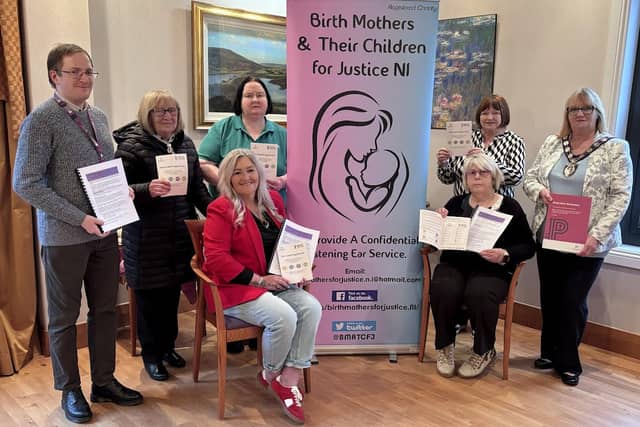

Fermanagh and Omagh District Council has highlighted the potential difficulties facing rural survivors of Mother and Baby Institutions, Magdalene Laundries and Workhouses as it responds to proposed rules governing a major truth recovery inquiry and redress scheme.
Fermanagh and Omagh District Council has highlighted the potential difficulties facing rural survivors of Mother and Baby Institutions, Magdalene Laundries and Workhouses as it responds to proposed rules governing a major truth recovery inquiry and redress scheme.
The council has submitted responses to The Executive Office’s consultations on the Draft Inquiry Rules for the Truth Recovery Public Inquiry and Draft Redress Regulations for the Truth Recovery Standardised Payment Scheme.
The submissions were made on behalf of mothers and children from the district who were impacted by the institutions, despite there being no Mother and Baby Institutions or Magdalene Laundries within the Fermanagh and Omagh area itself.
Women from the district were, however, admitted to the eight Mother and Baby Institutions and four Magdalene Laundries which operated across Northern Ireland.
The total number of women affected across the region is estimated to be 15,000, with that figure continuing to grow.
In its response, the council welcomed a number of aspects of the proposed arrangements, including the terms of reference for the inquiry, methods of contacting participants, procedures for hearings and the process for assessing and paying awards for legal and other expenses.
It also welcomed the proposed arrangements for managing records and reports.
However, it stressed the importance of recognising the particular challenges which could face people living in rural communities when attempting to engage with the process.
These include limited access to postal services, public transport and reliable internet connections, which could create difficulties for those seeking to participate remotely.
The council also identified a number of areas requiring further consideration, including the need to make every reasonable effort to locate historical records and to ensure a person-centred approach is maintained throughout the inquiry and redress process.
In preparing its submissions, the council considered research commissioned by the Department of Health from Queen’s University Belfast and Ulster University into the operation of Mother and Baby Homes and Magdalene Laundries across Northern Ireland between 1922 and 1999.
It also drew on previous engagement with Birth Mothers and their Children for Justice NI, a group of mothers and children which has been campaigning since 2013 for justice for those affected by the institutions.
The consultations, which sought views on the proposed Standardised Payment Scheme for survivors and the rules governing the Truth Recovery Public Inquiry, closed on November 17, 2026.
The council's responses were agreed at its Policy and Resources Committee meeting on October 14 and subsequently ratified at the full council meeting on November 3.
Health and wellbeing support is available to survivors of Mother and Baby Institutions, Magdalene Laundries and Workhouses through WAVE Trauma Centre, the Victims and Survivors Service and Adopt NI.
Further information is available from WAVE Trauma Centre at www.wavetraumambmlw.org.
Birth Mothers and Their Children for Justice NI can also be contacted at [email protected] for support.