

Without action, farmers face an uncertain future - Wilson
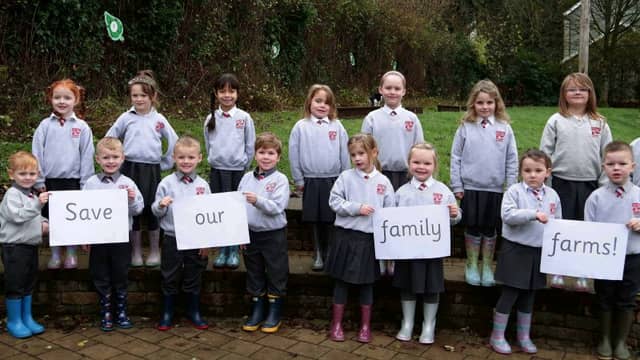

A PROMINENT voice in the farming community and a former UUP councillor, Bert Wilson, has voiced strong concerns about the proposed inheritance tax changes slated for April 2026. He says it's time farmers here took a leaf out of the French farmers' book and became more militant.
A PROMINENT voice in the farming community and a former UUP councillor, Bert Wilson, has voiced strong concerns about the proposed inheritance tax changes slated for April 2026.
He says it's time farmers here took a leaf out of the French farmers' book and became more militant.
"It's the only way to get the government's attention," he claims.
The policy concerning inheritance tax, which will apply a 20% tax to farms worth over £1 million upon the owner's death, has sparked fears of severe financial repercussions for many farmers in County Tyrone and beyond.
Wilson warns that rising land values and inclusion of stock and machinery in estate valuations mean many family farms will exceed the £1 million threshold. The tax could force farmers to sell land or assets to cover the cost, potentially destabilising generational family businesses.
He highlights a lack of awareness among farmers about inheritance tax planning, particularly the need to transfer ownership at least seven years before death to avoid penalties.
The high price of farmland, with recent sales reaching £20,000 per acre in Fintona, exacerbates the issue. Farmers, already struggling with increasing costs of inputs like oil and feed due to global conflicts and economic pressures, face an uncertain future.
Wilson argues that the financial burden could discourage young people from pursuing farming, further threatening the industry’s viability.
Drawing comparisons to French farmers, Wilson suggests more militant protests may be necessary to pressure the government into reconsidering the tax. He emphasises that the government risks ignoring farmers unless they take stronger action.
He expresses scepticism toward the Labour Party, accusing it of historically overlooking farmers' concerns. Wilson sees the tax as indicative of a broader disconnect between policymakers and rural communities.
"The tax could reshape the farming landscape in Tyrone, with farmers either downsizing to avoid crossing the £1 million threshold or selling land altogether," he says.
Proponents argue that the tax targets wealthy investors who have driven up farmland prices, thereby restoring fairness and potentially easing access for genuine farmers. They also point out that most farms - approximately 75% - will remain unaffected, and existing allowances allow farming couples to pass estates worth up to £3 million to their children tax-free.
Wilson encourages farmers to attend Ulster Farmers' Union (UFU) meetings and advocate for their interests. He stresses the importance of unity and activism to protect the future of farming in Tyrone and across Northern Ireland. For Wilson, the stakes are clear: without decisive action, farmers face a dire, uncertain future.